Michael Steve
Reflections & Thoughts on Work, Life, and Becoming
Reflections
Personal truths, lessons, and lived experience.
Thoughts
Sharp takes on work, systems, and leadership.
Climbing the Mountain
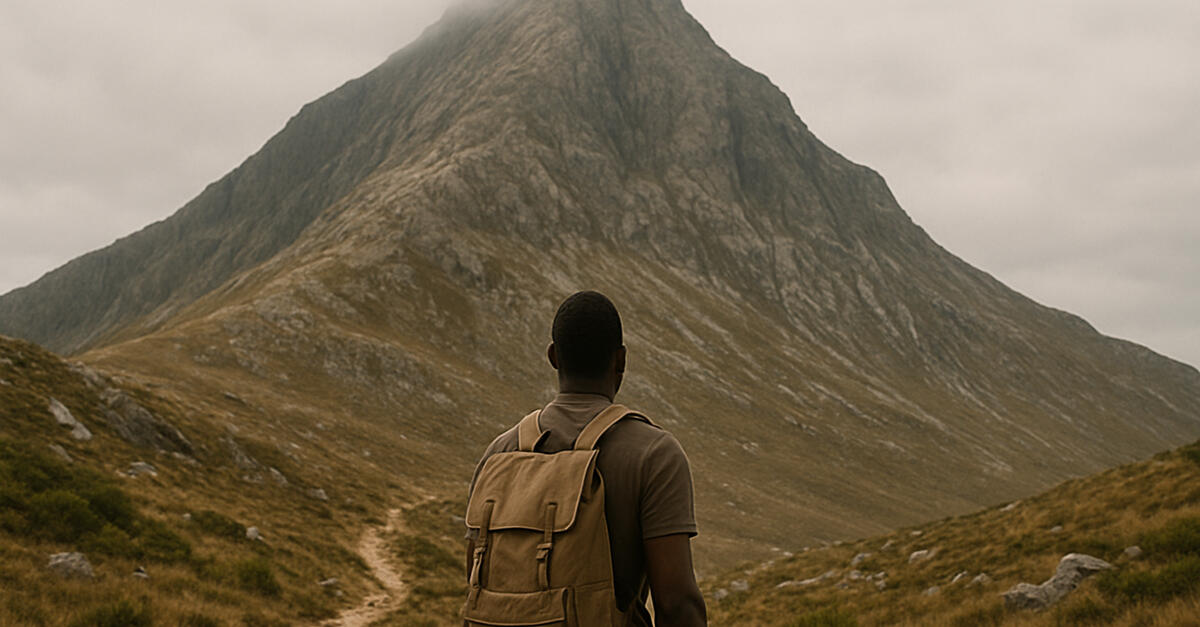
No one is going to save me. But I still have work to do.I’m building with the tools I have, can access, and can afford.I don’t want to be standing at the same vantage point a year from now.I’m climbing my mountain — slowly, steadily — using technology, creativity, diligence, and resourcefulness to chip away at the stone in front of me. It’s hard. It takes time. Some days I can’t see the light. But I keep going.There’s power in that decision.
And what other choice do I have?I used to think the mountain was only about achievement — reaching a peak, standing taller, proving I could. But I’ve learned the real challenge isn’t the summit. It’s carrying the weight of false starts, of missed steps, of the pressure to climb faster than I’m ready for.Some days the climb feels endless. Each foothold costs more than the last. Some steps feel shaky. Each slip leaves a mark. And still, the mountain doesn’t move.To say we’re in uncertain times — especially when it comes to the job market — would be an understatement. Layoffs, ghost jobs, underemployment, invisible labor, whole industries shifting overnight. The new reality isn’t business as usual.Some of us are reinventing the wheel with whatever we’ve got.
Others are sharpening skills, launching side projects, trying a different approach entirely.Opportunity isn’t promised. But preparation is.Whatever path you’re on — employed, laid off, freelancing, rebuilding — you’re still a person. You still matter. Keep climbing.
False Starts and the Penalties I Face in My Work-Life / Life’s Work
I’ve been thinking about how deeply connected my life and my “work” really are.
I used to pretend they were separate — to compartmentalize — but they’re not.Not for me.
They can’t be, if I want to stay attached to my humanity.What happens in one always bleeds into the other.
And in totality, neither ever seems to move consistently in a positive direction.I keep thinking about the false starts.
How many times I’ve tried to build something, create something, get stable, get seen.
And how many times I’ve had to start over — or worse, crash into a wall.Not because I didn’t care.
Not because I wasn’t capable.
But because the timing was off. The support was missing. The pressure was too much.
Each false start comes with a cost — some more damaging than others.
Missed opportunities. Delayed healing. Unanswered potential. Broken connections.I live at the intersection of my work-life and my life’s work.
When one falters, the other stumbles.
When one flourishes, the other finds room to breathe.I can’t help seeing that as failure.
I’m reminded to see it as feedback.
Painful, of course — but maybe, unfortunately, necessary.

Chipping Away at the Stone
I used to think “chipping away at the stone” just meant working hard — especially when no one is watching.
And there’s an argument for how much that mindset applies in the world we live in.But when I think about this phrase now, I understand: I am the stone.There are layers of me shaped by trauma and hardship, by false starts, by both the pressure of the climb and the pressure to conform.
Some of those layers were passed down. Some were given to me.
And some don’t hold any real weight anymore. They’ve hardened around me, but they’re not who I truly am.So part of the work is chipping those layers away — not to erase myself, but to uncover myself. To make space for what’s still valuable. What still matters. What makes me worthwhile.The other part of the work is inward. Chipping into the core.
Finding what’s beneath the noise, the expectations, the defenses.
That journey inward is slower, harder, more exacting — and it takes caution.
But it’s the only way to reveal what’s been there all along.Chipping away is not glamorous.
It’s methodical. Intentional. Consistent.
And the truth is, it’s never finished.That’s what purpose sounds like.
Built on characteristics that are invaluable — and, paradoxically, taken for granted.Because we are always becoming.
And life is always working.
The Elusive Tribe
I am aware that I, without realizing it, have lost my feelings -- I don't belong here anymore, I live in an alien world. I prefer to be left alone, not disturbed by anybody. They talk too much - I can't relate to them -- they are only busy with the superficial things.
— Erich Maria RemarqueI read this months ago and it still sits in my mind.For a long time, I’ve felt like I was walking through an alien landscape — surrounded by noise, small talk, and surface-level connection. The culture of buzzwords and algorithms. It makes me want to retreat, to stay on the outside.Other times, I’ve felt less like a traveler in a strange place and more like a foreigner — someone who simply doesn’t belong to the culture I find myself in. I used to think that was just loneliness. That if I could find my “tribe,” I’d finally feel at home. But what I’ve learned is that belonging isn’t as simple as sliding into a seat that’s already waiting for me.
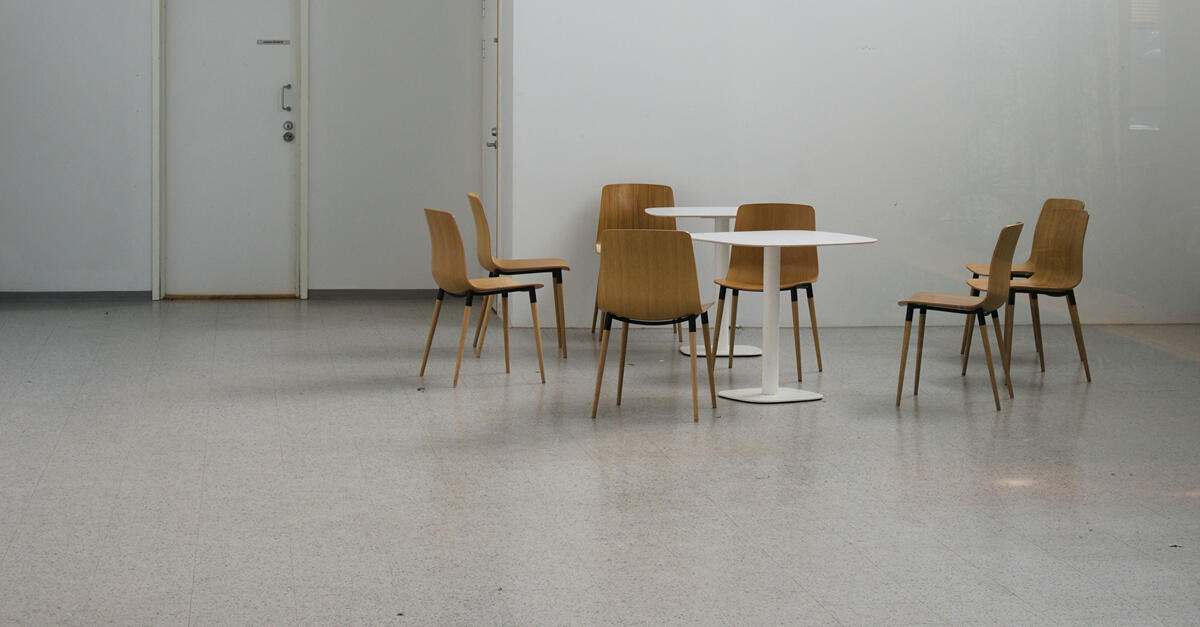
Finding my tribe has been elusive. Not because I don’t want to belong — but because my blueprint doesn’t match the furniture already built. Collaboration matters to me, but my nonconformity won’t let me sit quietly in a chair that was never designed with me in mind.So I keep sketching. I keep drawing new lines, testing new shapes.Maybe the point isn’t to wait for an invitation, but to design a community that doesn’t exist yet.Nonconformity isn’t just resistance — it’s design. It’s choosing not to betray yourself just to fit in. It’s creating the kind of space you and others like you actually need.The tribe I’ve been searching for may not be here yet. But every sketch, every iteration, every piece of meaningful work is part of building the table where it could finally exist.
The Blueprint of Self-Belief
Nobody is going to believe in you the way you need to believe in yourself.
That’s not ego — it’s survival.Validation from others will always be conditional.
Validation from yourself is permanent infrastructure — like laying a foundation only you can stand on.I think about this when I look back at my younger selves.
At 42, I’d tell my 32-year-old self: “Have some respect for yourself — you were never just a job description.”
At 32, I’d tell my 22-year-old self: “That blueprint you’re trying so hard to follow? It was never yours.”Each version of me thought he was chasing stability.
But what I was really doing was chiseling toward freedom.Self-belief isn’t hype. It’s the foundation stone you keep shaping.
It’s the only way to keep building when the mountain feels endless, when the climb feels heavy, when nobody else sees what you see.Every decade of me was a different draft.
Each older self is editing the blueprint.
And the work is still in progress.
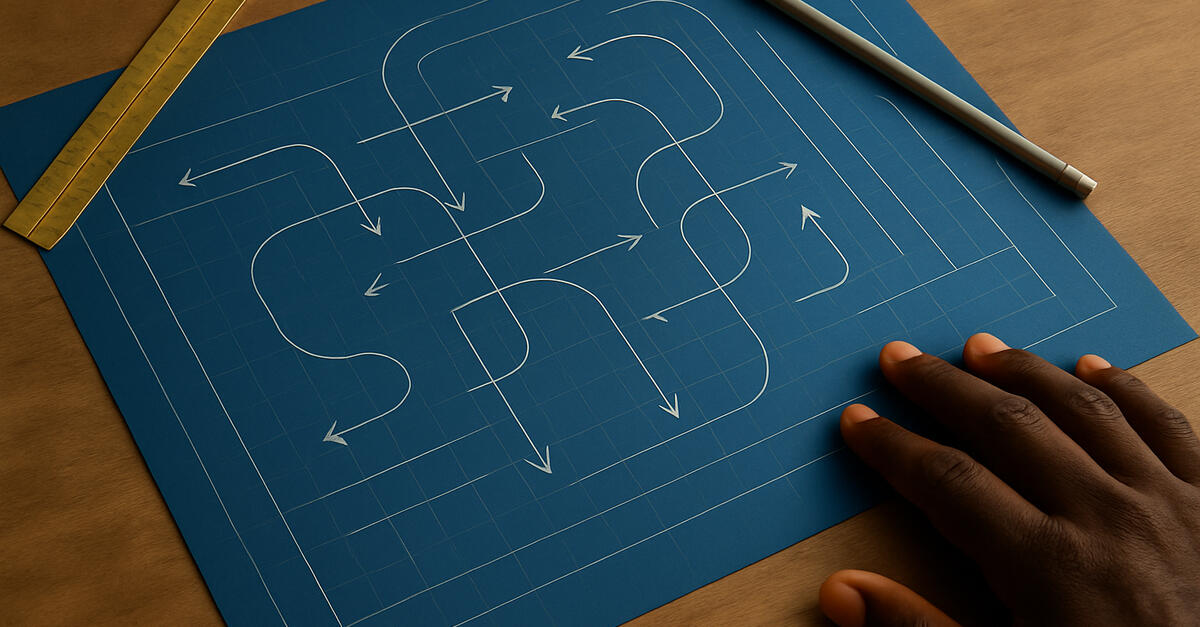
(Re)Building with Constraint-Driven Creativity
Constraint isn’t a cage — it’s a classroom.I’m still learning that. Still building with limited tools, limited time, and a shrinking margin for error. Still trying to create while the ground keeps shifting.When resources are scarce, imagination doesn’t disappear — it adapts. It becomes survival instinct. Each limitation — money, energy, opportunity — forces hard decisions. What’s essential? What can wait? What can I make from what’s left? What do I let go?I read The Power of Broke years ago, and I’m still trying to tap into that power. Still trying to figure things out — what works, what needs to be revised. Some days I wonder: am I just trying to ride a wave, knowing it’ll soon crash? Or am I meant to keep going against the current until I find my own flow?

Most of what I’ve made came from constraint, not comfort. The toolkit, the systems, even these words — all built from fragments of what could’ve been more. Maybe that’s what gives them their shape.Maybe creativity isn’t about escaping limits, but surviving inside them long enough to understand what they’re trying to teach. I’ve spent so much time obsessed with outputs, with progress I could measure. But maybe the constraints are there to bring stillness — to create space to redefine or redesign yourself.It’s easier said than done — a mentality conditioned for production working through volatile times. The circumstances leave no room for options.But what’s there to lose, other than yourself?We’re living creations at the end of the day — still being shaped by what we thought was holding us back.
Redesigning the Self (Through the Lens of UI/UX)
What if I treated my self-concept like a user interface—something meant to be iterated, tested, and redesigned with intention?In design, UI/UX is about how people interact with a system. It’s about making complexity usable, ensuring that what’s underneath—the backend—translates into something coherent and meaningful on the surface. Lately, I’ve been wondering what would happen if I applied that same mindset to myself.Because if I’m honest, my “self-interface” has been built through years of unconscious code. Expectations. Trauma. Patterns of survival disguised as preferences. The invisible design decisions made long before I learned to question them.But like any good designer, there comes a moment when you open the console, trace the pathways, and ask: Is this still serving the experience I want to create?
Understanding the System
Part of evolving your self-concept is understanding the system you’re built on—the parts that make you who you are. The analytical part that looks for structure. The emotional part that just wants peace. The visionary part that chases impact over comfort.Each part has its own UX language—its own way of signaling what works and what doesn’t. But if you don’t pay attention, those signals clash. You end up debugging identity conflicts instead of evolving through them.Self-reflection, then, becomes a kind of version control. You document your changes, your updates, your release notes. You learn what needs to be deprecated and what still runs smoothly.
From Happiness to Impact
I recently listened to a conversation between David Senra and Daniel Ek where Ek mentioned something that hit me deeply: optimizing for impact over happiness.It made me pause. Because I’ve been driven by that same impulse—to make something meaningful, sustainable, useful. But the problem with optimizing for impact is that it can become another external metric. Another dashboard where you track your worth in outputs, not alignment.So I’m learning that real impact starts with internal usability. If I don’t understand my own interface—my motivations, my triggers, my design flaws—how can I expect to build systems that help others navigate theirs?
Finding the Superpower
The Stanford method says: identify what only you can do, find who needs it, and connect through those who know and love you. I think of that as discovering your design language.Your superpower is your most intuitive interface—the way you naturally translate insight into value for others. But to use it well, you need to understand the architecture that supports it. The patterns beneath the pattern.When you know yourself deeply, you can start designing from clarity instead of confusion. You can stop endlessly redesigning for validation and start creating from alignment.
The Ongoing Redesign
I’m learning to see identity not as a finished product, but as an evolving design system. Some components stay. Others get rebuilt. Every experience becomes a form of user testing.There’s no “final release” of self—only iterations that bring you closer to coherence. And maybe that’s the point.Because when you design your life through awareness instead of autopilot, your self-concept becomes not a static brand but a living interface—one that’s both functional and deeply human.
If self-concept is a design system, then I am both the architect and the end user—responsible for building an identity that not only works, but feels true to live inside.

When No One’s Watching (Quietly Hustlin’)
On patience, fear, and the quiet faith of showing up anyway
There’s a strange kind of peace that comes when you realize no one’s paying attention.
No audience. No applause. No algorithm pushing what you’ve made.Just you — showing up, building, refining, posting, thinking.At first, it feels like invisibility.
Then it becomes freedom.Because patience isn’t passive.
It’s faith in motion.
It’s what keeps you working when there’s no feedback loop, no proof that it’s working.But there’s fear there too — a deep, quiet kind.
Not fear of failure, or being ignored.It’s the fear of not knowing what all this will become.
Of waking up each day to do the work anyway, even when yesterday felt like a whisper into the void.

That silence can be terrifying.
Because it forces you to confront what’s underneath the hustle —
the part of you that still believes in what you’re making, even when the world hasn’t noticed yet.And yet, that’s where something shifts.
When you stop chasing validation, you start building conviction.
When you show up through the silence, your work starts to build its own pulse.Some days will feel like nothing’s moving.
Others will remind you why you began.Either way — the only way out is through.
And the only way forward is still showing up.
💭 Even when no one’s watching, the work is watching you.

The Site That’s Ripe for You to Grow
Growth isn’t only about where you stand. It’s about what parts of you are willing to open.Nine years ago, I packed my life into a few bags and moved from Connecticut to the Bay Area. I didn’t have a perfect plan — what I had was a mix of hope, instinct, and a quiet belief that a new environment might give me the space to become more of myself. For a while, that felt true. I learned, stretched, took risks, stumbled forward.And then the harder years arrived — the ones that folded discouragement into my body so tightly that the days blurred into each other. The last four or five years have felt like an echo chamber of difficulty: long job droughts, inconsistent stability, and moments of heavy loneliness. When you live inside that long enough, it’s easy to start believing the loop is permanent even when another part of you knows it isn’t.
But the deeper truth, the one I’ve been sitting with, is this:
I began to feel like a nomad long before anything external confirmed it.Not because the Bay was wrong.
Not because my life collapsed.
But because something inside me quietly shut down.I didn’t notice it at first. Survival-mode doesn’t announce itself — it just asks you to keep moving. To keep your head down. To protect what’s left of your energy. To stay vigilant because the next blow might land when you’re not ready.The problem is that self-protection becomes a habit long after the danger has passed. It closes the windows, locks the doors, and builds walls where gateways used to be. And after a while, even when the soil beneath you is good, nothing gets through. Water hits the surface and runs off. Sunlight warms the exterior but never reaches the roots.

It’s a strange thing to realize:
You can be standing in fertile ground and still feel barren inside.Lately, I’ve been asking myself a harder question:
Where have I stopped letting nourishment in?
What parts of myself have been clenched for so long that I can’t feel what’s offered?Because growth doesn’t just come from effort.
It comes from permeability — from the ability to receive.The right soil can support you.
But only you can allow yourself to take root.

I’m recognizing the cost of being closed off, even unintentionally. The cost of living without a sense of “home” not because the place is wrong, but because my inner world has been too guarded to inhabit anything fully. The cost of drifting, even while longing for belonging.So I’m shifting the metaphor.
It’s not about uprooting my life to find a better site.
It’s about softening enough to let the rain through again.Maybe the site that’s ripe for me isn’t a new location.
Maybe it’s the version of myself willing to be nourished — willing to be held by the soil that’s already here.This is the work of coming home:
Not finding ground, but allowing yourself to touch it.
Sweeping Up the Rubble
I thought devotion was enough.I didn’t know what devotion actually required.I thought we would have time.
Not because of her birth — but after.
After things settled.
After I figured myself out.I leaned on my own understanding.
I took time for granted.I lacked urgency.
I lacked focus.
I lacked empathy when it mattered most.I showed little control over my emotions.
I wasn’t disciplined with my responsibilities.
I hesitated to communicate.
I hesitated to trust someone who was building with me.I thought there would be space to become more.There wasn’t.All the moments I ignored.
All the excitement I didn’t join.
All the hugs I didn’t give.
All the joy I stood outside of.I see it now.
And seeing it doesn’t make it hurt less.Recognition is not relief.
It’s just sharper vision.Work feels easier than this.
Work doesn’t ask me to sit in regret.
Work gives me structure when everything else feels unstructured.Maybe I bury myself in it.
Maybe I use it to not feel the full weight of what I lost.
Maybe it’s unhealthy.But sometimes structure is the only thing keeping me from unraveling.I don’t feel like I’m turning a page.
I don’t feel redeemed.
I don’t feel wiser.I just feel aware.And awareness hurts.
When Systems Outpace Stability
At a former role, I led the selection, adoption, and rollout of a new DAM platform. It checked all the boxes—addressed real pain points, aligned with workflows, and had clear value for the organization.But what I couldn’t have seen clearly at the time was that the organization itself was heading into a steep financial downturn. We were investing in a platform while the ground beneath us was shifting.That experience stays with me.It’s easy to focus on the tool, the platform, the fix. But implementation doesn’t happen in a vacuum. Success depends on more than just the right system—it depends on timing, stability, and whether the people and culture are ready to carry the investment forward.I’ve been guilty of this in my personal life, too: subscribing to platforms or buying gear thinking 𝘵𝘩𝘪𝘴 will push me forward or make me stand out. But tools aren’t magic. Alignment is.𝗡𝗼𝘄 𝗜 𝗮𝘀𝗸:• Is this tool aligned with the 𝘳𝘦𝘢𝘭𝘪𝘵𝘺 of the people and priorities on the ground?
• Is the timing right?
• Is the organization healthy enough to absorb and sustain the change?Sometimes the smartest move isn’t adding a new system—it’s pausing to understand the system you’re already in.
When the Game Doesn’t Match the Truth
There’s this idea many of us have been taught: “You have to play the game.”But what if the game was never built for everyone?
What if the rules were designed by people who never expected certain folks to even show up—let alone succeed?Some people try to follow the blueprint.
Be agreeable. Be strategic. Stay quiet.
Make themselves easier to accept.And still, they get penalized.There’s a cost to not playing the game.
But there’s a cost to playing it, too.Over time, trying to survive inside systems that weren’t built with your reality in mind can create a deep, quiet cognitive dissonance—
A split between who you are and what you feel forced to perform.
You say the right things, meet expectations, blend in when necessary.
But inside, something starts to pull apart.That tension doesn’t just stay in the mind.
It shows up in the body. In the spirit. In the work.This isn’t just about rejection.
It’s about the energy it takes to be tolerated—
To make yourself less of a “risk,” less disruptive, more palatable.
It’s about the slow erosion that happens when belonging is always conditional.A lot of people are sitting with these unspoken questions:
– How much of myself do I have to give up to be seen as “professional”?
– Why does telling the truth about broken systems feel like a risk?
– What does real success look like if we stop chasing someone else’s definition?The dissonance doesn’t go away just because it’s ignored.
You either numb it, or you name it.
And naming it might be the first step toward building something else entirely.The cost of not playing the game is real.
But the cost of betraying yourself to stay in it?
That’s the kind of damage that doesn’t show up on performance reviews—but it’s felt deeply.And if you’re feeling that tension, that pull between survival and truth—
You’re not the only one.
And you’re not wrong for noticing that it doesn’t add up.
Soft Skills Aren't Soft Anymore
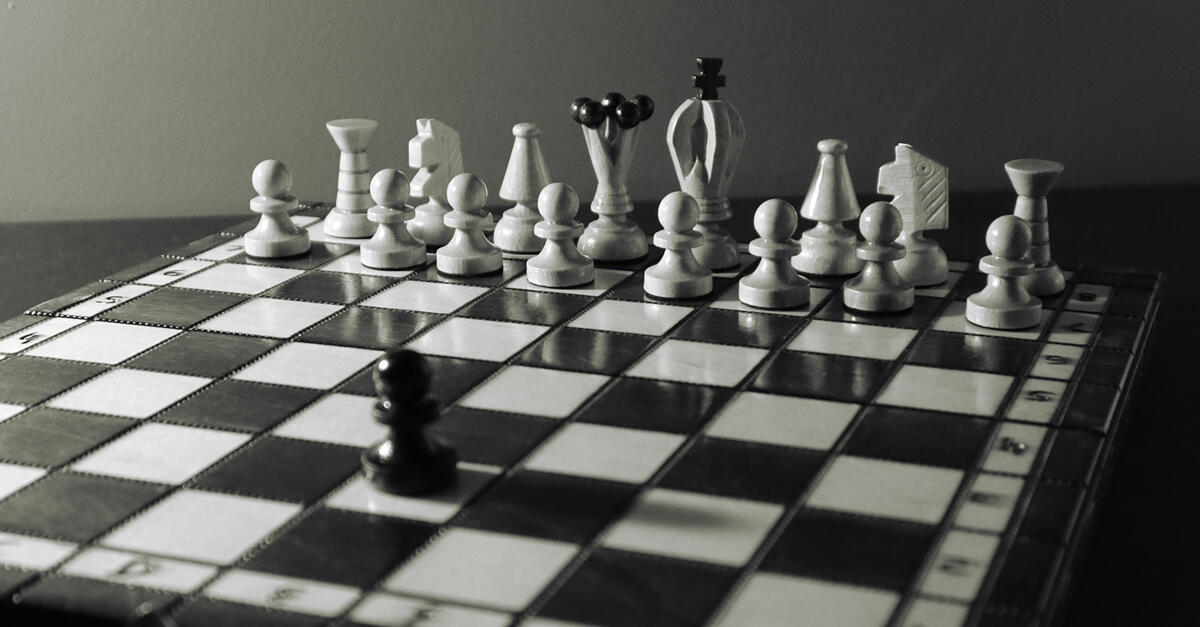
They’ve always been the hardest ones to measure — and the most critical when everything’s on the line.For as long as I can remember, though, soft skills have been treated like an afterthought. For some, they were tools for code-switching. Others leaned on them as a way to differentiate. More often, they were framed as a polite way of saying “play nice” — while the real weight of work was measured in technical skills, KPIs, or titles.But in every environment I’ve worked in — from media production to technology — the opposite proved true. When systems are stressed, when ambiguity rises, when deadlines tighten, when new platforms roll in and old ones break down, it’s these so-called “soft skills” that determine whether the team holds together or falls apart.“Soft” is a misnomer.
They’ve always been the infrastructure that makes the “hard skills” usable.Communication used to mean email etiquette and clear presentations. Now it’s about navigating remote silos, threading clarity through Slack, Zoom, and asynchronous workflows — making sure no one gets left behind in the noise and no words get misconstrued.Collaboration used to mean “work well with others.” Now it’s about building trust across cultures, time zones, and tool stacks. It’s less about sitting in the same room and more about aligning when the room doesn’t even exist.Adaptability used to mean “roll with the punches.” Now it’s about change leadership — guiding others through disruption, not just managing it yourself.
And new ones are surfacing, qualities we had no name for ten years ago:- Digital empathy: The ability to read the room when there is no room. To actually see and support people through a screen.- AI judgment: Knowing when to trust the machine, when to challenge it, and how to keep human values in the loop.- Sensemaking: Cutting through noise, contradiction, and overload to create clarity that others can act on.These aren’t optional.
They’re the foundation of work today.The challenge is that these qualities are often invisible until they’re missing. A breakdown in communication, a lack of empathy, a failure to lead through change — those gaps cost teams far more than a missing certification or technical ability.This is the work of leadership now.
Not managing tasks, but building the connective tissue: trust, empathy, clarity. Because when those are missing, no strategy or tech stack will save you.Soft skills aren’t being redefined — they’re being revealed.Revealed as the backbone of leadership.
The anchor in ambiguity.
The bridge when systems fail.We still call them “soft,” but they’re what make work human.
And in a world where everything else changes, that may be the hardest — and most durable — quality of all.

Living Interfaces: A Case Study
Why Adaptability Needs Intention

OverviewIn technology, adaptability is celebrated. Generative AI is transforming UI/UX design by making interfaces more responsive, personalized, and fluid. Screens can bend to context. Flows can shift in real time. Systems can generate themselves around a user’s needs.But adaptability on its own doesn’t guarantee clarity or progress. In fact, without direction, adaptability can become chaos.The same is true beyond design — in organizations, and in our own lives. We enter a cycle of reactivity instead of being led by intention and purpose.Adaptability, when unguided, bends us in all directions. It exhausts instead of empowers. We’re left wondering what we set out to achieve.
The Problem: Adaptability Without Direction• Digital UX: A newsfeed adapts to our clicks but keeps us in endless loops of distraction.
• Organizations: Teams adapt to new tools and shifting priorities, but without governance, those adaptations lead to fragmentation and silos.
• Personal Life: We adapt to financial strain, career disruptions, or systemic barriers — but often that adaptability keeps us in survival mode rather than growth.
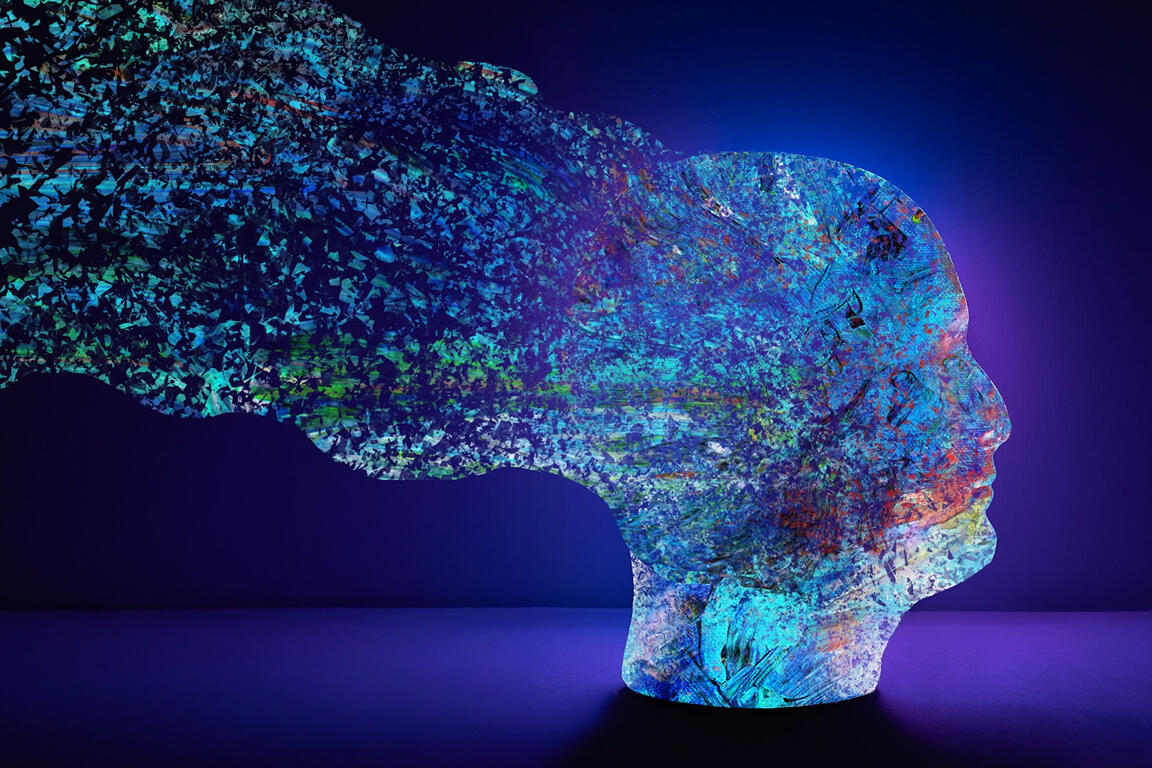
The Lens of “Living Interfaces”Every one of us has a living interface — a personal UX that shapes how we interact with the world.• Interface: how we present ourselves (identity, routines, habits)
• Navigation: how we move through systems (career, relationships, communities)
• Content: our beliefs, values, knowledge — the raw material of our experience
• Metadata: the labels we accept or reject (roles, titles, identities)
• Feedback Loops: how systems adapt to us, and how we adapt backJust like digital products, our living interfaces can be cluttered or clear, reactive or intentional.
Key Insight: Intentional AdaptabilityGenerative AI teaches us that adaptability is only valuable when it’s intentional.
• Adaptive systems must be guided by values like clarity, accessibility, and empowerment.
• Otherwise, they risk amplifying confusion and eroding trust.The same principle applies to our lives and organizations:
• Teams need governance so adaptability doesn’t fragment workflows.
• Individuals need values and direction so adaptability doesn’t trap us in survival mode.Adaptability without intention is chaos. With intention, it becomes design.

Application to Work & Life• Professionally: In the creative world and social-conscious ecosystems, my work is about building intentional adaptability. Systems that flex, but toward clarity and collaboration — not just reaction.
• Personally: I’ve had to adapt to rigid systems — layoffs, instability, financial strain. That adaptability kept me alive, but not aligned. Now I’m focused on designing my own living interface: toolkits, consulting ecosystems, and practices that bend toward growth.
From Space: The Observer ViewZoomed out, humanity is teaching machines to adapt to us. But zoomed in, many of us are still bending endlessly to systems that weren’t designed for our well-being.The difference between survival and growth — between exhaustion and resilience — is intentional adaptability.
Closing ThoughtThe real question isn’t “Can I adapt?”
It’s “What am I adapting toward?”Because resilience without direction is just survival.
But intentional adaptability? That’s design.

Powered by AI (Mostly)
On the difference between performing intelligence and designing with it.
We’ve reached the point where “Powered by AI” has become a status symbol — a badge of innovation, even when the intelligence it promises is skin-deep. The phrase appears beneath logos, inside feature updates, and across entire marketing campaigns.But somewhere between the feature and the function, something human gets lost.
The Illusion of IntelligenceFor many platforms, AI feels more like performance than partnership — a shiny layer added to signal progress rather than shape it. These tools often demonstrate capability without cultivating connection.The irony is that AI isn’t inherently transformative. It only becomes meaningful when it’s integrated through clarity — when the “why” behind it honors the people it’s built for.
Intelligence is easy to advertise. Harder to design for.
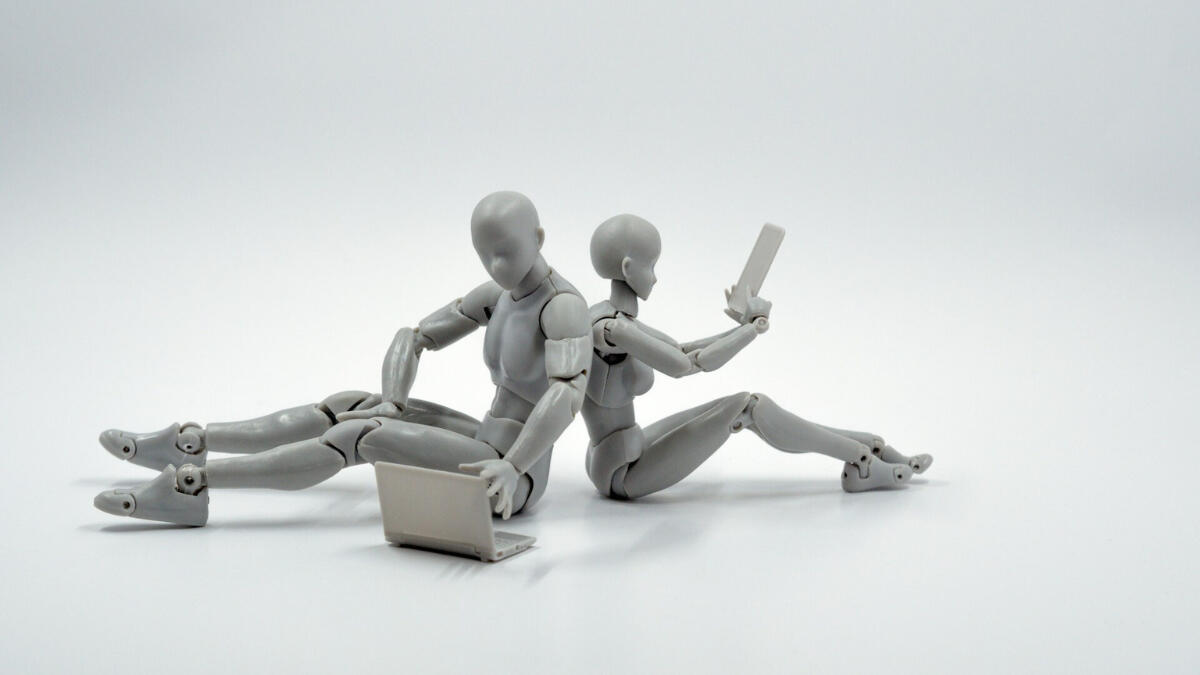
When AI Misses the MarkI think about this every time I use a design platform promising “AI-powered creativity.” I type a prompt, wait a few seconds, and receive something almost—but not quite—what I imagined.So I tweak. Refine. Rebuild.
Eventually, I end up creating the design myself, guided by intuition, rhythm, and taste.That process doesn’t frustrate me—it clarifies something. The AI didn’t fail; it simply didn’t understand why I was creating in the first place.It’s not the AI doing the heavy lifting.
It’s me—with AI in the passenger seat, not the driver’s.
The Human in the LoopThe best tools don’t aim to replace human creativity. They resonate with it. They amplify what’s already there, offering structure without stealing agency.When AI complements rather than competes, creation feels like a dialogue. The human provides context, judgment, and rhythm. The machine handles the repetition, scale, and suggestion.That’s the sweet spot — collaboration, not substitution.
It’s where design becomes conversation.
Starting with WhySimon Sinek says great organizations start with why. The same applies here. When companies introduce AI without a clear why, their “how” becomes mechanical and their “what” becomes marketing.AI, then, becomes a spectacle instead of a system — something displayed rather than designed.But when the “why” begins with people — creators, teams, and communities — the outcomes shift. Tools begin to feel intuitive. Workflows begin to breathe. And intelligence begins to feel earned, not imposed.
Closing ThoughtThe next wave of innovation won’t come from new features or smarter models. It’ll come from those who see intelligence as a relationship — one where human intent remains at the center.Because real intelligence isn’t in the label “Powered by AI.”
It’s in the quiet collaboration between human intention and machine assistance — the invisible space where creation actually happens.
Does Discipline Sound Monotone?Maybe that’s the point.Most of the work doesn’t look like breakthroughs.
It looks like showing up every day, repeating the same motions, carrying a quiet monotony inside.That monotony isn’t wasted.
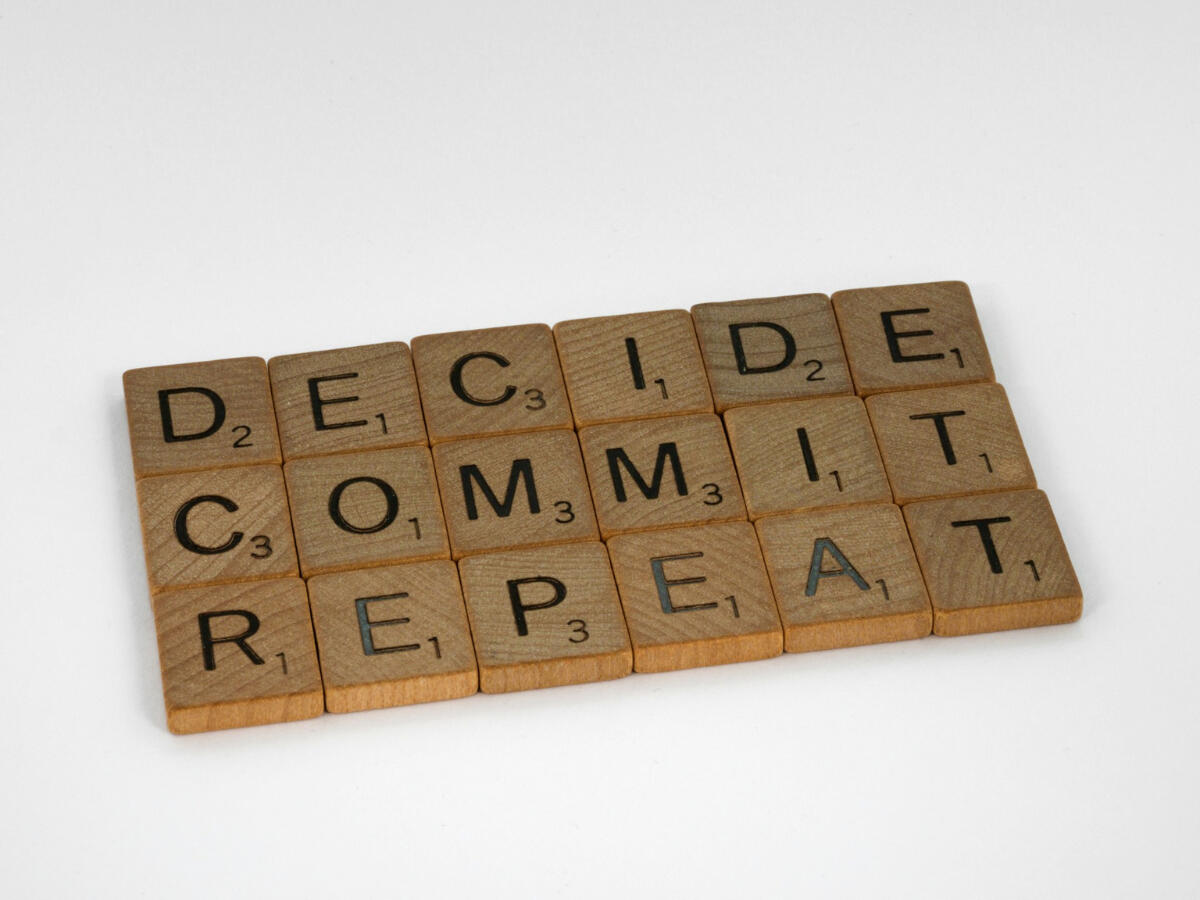
It’s structure — the way foundations are laid, brick by brick, until they can bear real weight.
It’s raw material — the ordinary details that slowly arrange themselves into patterns we can use.
It’s mapping — line after line drawn until the shape of the landscape finally comes into view.Monotony on the inside. Discipline on the outside.
And discipline, more than any flash of brilliance, is what builds trust and sustains progress.But progress isn’t just forward motion.
It’s holding steady when others falter.
It’s knowing that reliability is often more valuable than novelty.
It’s leaving behind something solid enough for others to build on.And in the process, it shapes you, too.
It teaches patience when you’d rather chase sparks.
It demands presence when your mind wants shortcuts.
It reveals endurance as the quiet twin of creativity.We’re conditioned to see monotony as dull, even dangerous.
But what if monotony is the hidden engine of mastery?
What if monotony, carried with intention, is what allows us to design systems, open space for innovation, and chart paths others haven’t yet walked?Maybe discipline does sound monotone.
But maybe that monotone is a rhythm — steady, grounding, unshakable.
And maybe it’s that rhythm, not the rare moments of brilliance, that carries both the self and the system forward.
Misaligned Incentives, Fragile Systems
Incentives are invisible architects. They decide what gets rewarded, what gets ignored, and—over time—what survives. When they align with shared purpose, they strengthen systems. When they drift, they quietly corrode the very foundations they’re meant to support.
We see the fallout everywhere:
In hiring, where speed and cost-efficiency take precedence over fairness. Algorithms optimized for throughput replicate bias at scale.
In governance, where decision-making concentrates in a few hands, narrowing both perspective and resilience.
In organizational culture, where short-term heroics eclipse the long-term work of stewardship and maintenance.
Each reflects the same imbalance: incentives that crown individuals or chase velocity rather than reinforcing collective health. They can yield dazzling wins—but rarely without collateral damage.
The Power Law and the Price of Scale
Catherine Bracy captured this dynamic powerfully in her Daily Show interview about World Eaters. She described moving to Oakland in 2012—what she called “the peak of the internet,” the don’t-be-evil era—only to watch her neighborhood revolt when Uber announced it was moving in across the street.That reaction, she realized, was rational. Growth that once symbolized opportunity had begun to feel like invasion. The question that haunted her—why would 2,500 good jobs spark anger instead of celebration?—became the seed for her work at TechEquity.Her answer: the economic structure surrounding tech—venture capital itself.Venture capital was created to fund risky, world-changing ideas. But over time, it adopted what Bracy calls the power-law mindset: a portfolio strategy built on grand slams, not singles or doubles. Every company, whether it should or not, is pushed to swing for the fences. The result is what she and the host joked about as “blitzscaling”—a playbook that prizes explosive growth over measured progress.When that logic escapes the lab and floods the real economy—into housing, food, healthcare, education—it destabilizes entire communities. Industries that were never meant to scale like software are forced to behave as if they can. And the cost of that misalignment isn’t borne by investors; it’s borne by the people and systems that get steamrolled.
Decentralization as a Counterbalance
Decentralization offers a different playbook. Instead of betting everything on a few “grand slams,” it spreads agency and accountability across the network. In a decentralized system, no single actor can distort outcomes without feedback from the rest.
When designed well, decentralization:
Builds resilience—failures in one node don’t collapse the whole.
Encourages fairness—access and opportunity are embedded by design, not granted by gatekeepers.
Improves adaptability—diverse inputs create faster learning and course-correction.
It’s not anti-growth; it’s pro-alignment. It rewards contribution and stewardship over unchecked expansion.
Governance as the Anchor
Still, decentralization without governance is just entropy. Governance is what keeps distributed power coherent—what aligns innovation with accountability.In Bracy’s own advocacy, we see that principle in motion: passing California legislation to prevent algorithmic price-gouging; advocating for policy that reins in AI where it’s built, not after the damage is done. Governance, at its best, turns decentralization from an ideal into infrastructure.

Re-centering the “We”
The through-line between civic systems and corporate ones is clear: when incentives prioritize the few, systems eventually fail the many. But when they reinforce collective resilience, progress compounds instead of consuming.Bracy’s reflection from Oakland isn’t just about tech. It’s about remembering that innovation divorced from accountability is just extraction by another name.So the question remains—
Are we designing systems that reinforce the whole, or ones that quietly erode under the weight of misaligned rewards?
Contact
See my professional portfolio → michaelsteve.carrd.co